
Electric bills can rise quickly, especially when the weather changes or when appliances run more than usual. Many people feel frustrated when their monthly bill climbs even though they believe they are using energy wisely.
The good news is that lowering your electric bill does not always require expensive upgrades or drastic lifestyle changes. Small adjustments made throughout your home can create noticeable savings over time.
When you understand where your electricity goes and how to control it, you gain the power to protect your budget while keeping your home comfortable and efficient.
Simple Home Choices That Lower Daily Energy Use
Lowering your electric bill often begins with small choices you make throughout the day. These choices may seem simple, but they add up quickly when practiced consistently.
Many people underestimate how much energy is wasted in tiny moments, yet these moments are the easiest to change. When you start paying attention to your daily habits, you can reduce energy use without giving up comfort or creating strict routines. These simple actions become natural parts of your day once you see how effective they are.
Turning off lights when you leave a room is one of the easiest habits to adopt. Many homes waste electricity because lights are left on in empty rooms for long periods.
Making a habit of switching them off takes only a second, and when repeated throughout the week, it significantly reduces your usage. Using natural light during the day also helps. Opening curtains or blinds lets sunlight brighten your space without needing electricity.
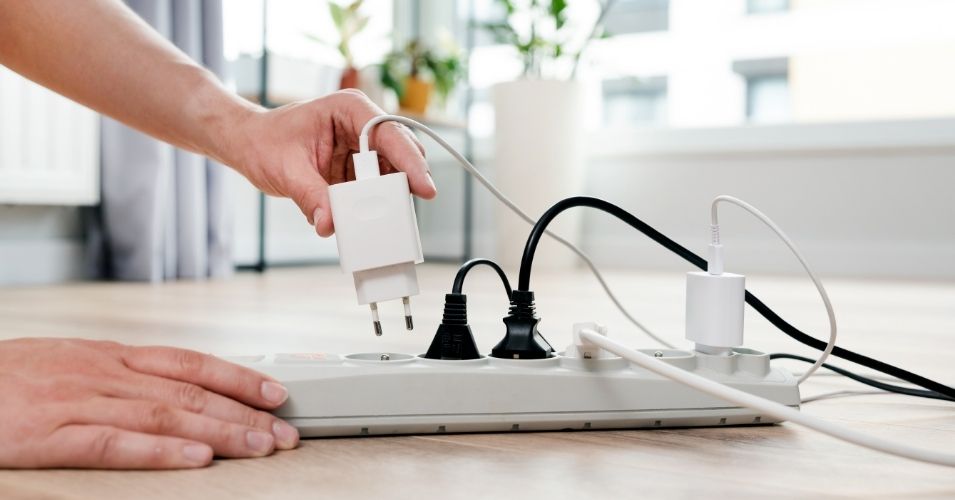
Unplugging devices when they are not in use is another effective habit. Many electronics continue to draw power even when turned off. Chargers, televisions, gaming systems, computers, and kitchen appliances all use small amounts of electricity that add up over time.
Unplugging them or using a power strip you can switch off saves energy without adding extra work. This small step prevents unnecessary drain on your monthly bill.
Using energy efficient lighting makes a noticeable difference. LED bulbs cost slightly more upfront, but they use far less electricity than older bulbs and last much longer.
Replacing bulbs gradually throughout your home helps reduce your bill without requiring a large investment all at once. LEDs also stay cool to the touch, which keeps rooms from heating up in warm weather.
Another simple choice is adjusting how you use hot water. Heating water uses a surprising amount of electricity. Shorter showers, washing clothes in cold water, and lowering your water heater temperature all reduce energy use. These changes do not affect comfort, but they do protect your monthly budget.
These simple home choices show how easy it is to lower daily energy use. When you pay attention to small habits, you gain control over your electric bill in ways that feel natural and manageable. Over time, these actions become part of your routine and create savings that continue month after month.
Smarter Appliance Habits for Bigger Monthly Savings
Appliances play a major role in your electric bill, and the way you use them has a big impact on your monthly costs. Many people rely on appliances every day without realizing how much energy they consume.
By adjusting how and when you use them, you can save money without giving up convenience. These smarter habits help you get the most out of your appliances while reducing unnecessary energy use.
One helpful habit is using major appliances during off peak hours when possible. Some utility companies charge lower rates during certain times of the day, usually late evenings or early mornings.
Running the dishwasher, washing machine, or dryer during these hours can reduce your overall energy cost. Even if your utility company does not offer off peak pricing, spreading out appliance use prevents energy spikes that raise your bill.
Using full loads in the dishwasher and washing machine is another effective way to save energy. These appliances use nearly the same amount of electricity whether they are half full or fully loaded.
By waiting until you have a full load, you minimize the number of times you need to run them. This lowers both electricity and water use while still keeping your home clean and comfortable.
Dryers are one of the biggest energy users in most homes. Cleaning the lint trap before each use improves airflow and reduces the amount of energy needed to dry clothes. Air drying items when possible also helps. Hanging clothes on a drying rack or outside on a line cuts energy use dramatically and keeps your clothes in better condition.
Refrigerators and freezers run constantly, so keeping them efficient is important. Setting them to the recommended temperature saves electricity without affecting food safety.
Keeping the doors closed as much as possible and avoiding overfilling also helps them work more efficiently. Regular cleaning of the coils ensures they use less energy and last longer.
Small habits with appliances can lead to big monthly savings. When you use them thoughtfully and maintain them well, your electric bill drops naturally. These smarter habits help you enjoy the convenience of modern appliances without paying more than necessary each month.
Cooling and Heating Tips for a More Efficient Home
One of the biggest reasons electric bills rise is the constant need to cool or heat your home. Temperature control takes a large amount of energy, and many people do not realize how small adjustments can make a major difference.
When you learn how to manage airflow, insulation, and timing, you can keep your home comfortable without putting extra stress on your electric bill. These tips work for any household and can be applied throughout the year, no matter what the weather brings.
Setting your thermostat to a slightly higher temperature in summer or a slightly lower temperature in winter is one of the easiest ways to save energy. Even a change of one or two degrees can lead to noticeable savings over a month.
Many people assume comfort will be affected, but the difference is often so small that you barely notice it. Using a programmable thermostat can help maintain consistent settings without the need to adjust it manually.
Keeping your home well insulated also reduces the amount of energy needed to maintain the temperature. Sealing gaps around windows and doors prevents cold or hot air from leaking out.
Weatherstripping, caulking, and window film are simple fixes that help your heating or cooling system work more efficiently. This helps your home stay comfortable while reducing the amount of electricity used to maintain the temperature you prefer.
Ceiling fans and portable fans are another powerful tool for reducing energy use. Fans circulate air, creating a cooling effect that allows you to raise the thermostat a few degrees without discomfort. In winter, reversing your ceiling fan direction pushes warm air downward, helping your heating system work less. Fans use far less electricity than heating or cooling systems, making them a cost effective option for comfort.
Keeping blinds and curtains closed during hot days keeps sunlight from heating up your home. In winter, opening them during sunny hours lets natural warmth enter. These small changes help your home stay at a more stable temperature without relying heavily on electric systems.
Regular maintenance for your heating and cooling units also plays a major role in efficiency. Changing filters, cleaning vents, and scheduling seasonal checkups help your system run smoothly. When your units work efficiently, they use less energy, which lowers your monthly bill.
These cooling and heating tips create a more energy efficient home without sacrificing comfort. By managing airflow, insulation, and temperature settings, you take control of one of the biggest factors affecting your electric bill.
Hidden Energy Drains Most People Forget About
Many homes use far more electricity than their owners realize, not because of major appliances but because of small and often unnoticed energy drains. These hidden sources consume power quietly, raising your electric bill without offering any real benefit.
Once you identify them, you can eliminate unnecessary energy use and create a home that is far more efficient. These hidden drains are easy to fix once you know where to look.
One of the biggest hidden drains comes from electronics left plugged in. Even when devices are turned off, they often continue to draw small amounts of electricity. This includes TVs, gaming consoles, computer chargers, microwaves, coffee makers, and many other household items.
These small amounts of power are known as standby usage, and they add up surprisingly fast. Unplugging devices or using power strips you can switch off helps eliminate this drain entirely.
Older appliances are another source of hidden energy waste. Even if they still function well, their internal systems use more electricity than newer, energy efficient models. An old refrigerator, freezer, or window air conditioner may consume more electricity than several modern appliances combined. Replacing these items gradually can lead to major savings over time.
Lighting can also be an unexpected drain. Some homes still use outdated bulbs that burn far more electricity than necessary.
Replacing these bulbs with LED options helps reduce energy use with no loss in brightness. Leaving lights on in closets, hallways, or empty rooms also contributes to hidden energy waste. Simple awareness can resolve much of this unnecessary usage.
Hot water usage is another area many people overlook. Running hot water for long periods forces your water heater to work harder, increasing your electric bill. Taking shorter showers, washing clothes in cold water, and fixing leaks all help reduce energy demand on the water heater.
Hidden energy drains often seem harmless, but together they create a noticeable increase in your bill. Once you identify and address them, you create a more efficient home that uses electricity wisely. These small adjustments make a significant difference over time.
Practical Upgrades That Pay Off in Long Term Savings
Some of the most effective ways to reduce your electric bill come from upgrades that may require a little effort at first but deliver steady savings month after month. These improvements help your home run more efficiently, reduce wasted energy, and lessen the strain on your appliances.
Many people assume these upgrades are expensive or complicated, but most of them are simple changes that offer long term financial benefits. Once they are in place, they continue working for you without needing constant attention or adjustment.
Switching to energy efficient appliances is one of the most powerful upgrades you can make. Modern refrigerators, dishwashers, washing machines, and air conditioners are designed to use far less electricity than older models.
Even though the initial cost may seem higher, the reduction in energy use quickly pays off. Many utility companies offer rebates for energy efficient upgrades, which makes the transition more affordable. Replacing appliances gradually allows you to spread out the cost while still benefiting from improved efficiency.
Installing a smart thermostat is another upgrade that helps lower energy use. These devices learn your daily habits and adjust the temperature automatically to avoid unnecessary heating or cooling. You can program them to lower energy use while you sleep or when you are not home.
Over time, a smart thermostat helps prevent energy waste and keeps your home comfortable with far less effort. The savings become clear as your monthly bill begins to reflect the improved efficiency.
Adding insulation to your home is another upgrade that pays off over many years. Insulation helps regulate indoor temperature by preventing heat loss during winter and blocking unwanted heat during summer.
Attic insulation, wall insulation, and proper sealing around windows and doors create a barrier that reduces the workload on your heating and cooling systems. This single improvement can significantly reduce energy use and make your home feel more comfortable.
Solar powered outdoor lights are a simple upgrade that require no electricity at all once installed. They absorb energy from the sun during the day and provide lighting at night without raising your electric bill. They are easy to install and offer a long term solution for lighting pathways, gardens, and porches.
These practical upgrades strengthen your home’s efficiency and lower your electric bill in a steady, reliable way. Once you make these improvements, the savings continue to grow, offering comfort, convenience, and long term financial relief.
Final Thoughts
Reducing your electric bill does not have to feel complicated or stressful. Small habits, thoughtful adjustments, and practical upgrades all work together to lower your energy use without sacrificing comfort.
When you understand where electricity is wasted and how to use it more wisely, your home becomes more efficient and your monthly bill becomes easier to manage.
Each choice you make brings long term benefits. With consistency and awareness, you can create a home that supports your budget, protects your comfort, and uses energy in a smarter and more sustainable way.